

Antique Jewelry Offers A Window Into The Design Trends Of Different Historical Eras

Materials, craftsmanship techniques, cultural influences, and artistic movements all contributed to the appearance of jewelry during different periods.”
METAIRIE, LA, UNITED STATES, June 26, 2026 /EINPresswire.com/ -- Antique jewelry continues to attract collectors, historians, and jewelry enthusiasts because of its ability to reflect the artistic styles, cultural influences, and craftsmanship of different periods in history. Each era introduced distinctive design characteristics that can often help identify when a piece was created and the influences that shaped its appearance.— Ken Bowers
Unlike modern jewelry, which may draw inspiration from a variety of styles simultaneously, antique jewelry often reflects the trends, materials, and artistic movements that defined a particular period. From the elaborate details of Victorian pieces to the geometric lines of Art Deco designs, antique jewelry provides insight into changing tastes and societal influences over time.
Jewelry has long served purposes beyond personal adornment. Throughout history, pieces have been used to symbolize status, commemorate milestones, express personal sentiment, and showcase artistic achievement. As styles evolved, jewelry design frequently mirrored broader cultural and architectural trends.
Victorian-era jewelry, created during the reign of Queen Victoria from 1837 to 1901, remains among the most recognizable antique styles. Jewelry from this period often featured intricate metalwork, floral motifs, hearts, bows, and symbolic elements. Many pieces incorporated gemstones, pearls, and sentimental design features intended to convey personal meaning.
The Victorian era itself included multiple stylistic phases. Early Victorian jewelry frequently reflected romantic influences, while later periods introduced darker motifs associated with mourning jewelry and memorial pieces. These changing designs often reflected social customs and events occurring during the time.
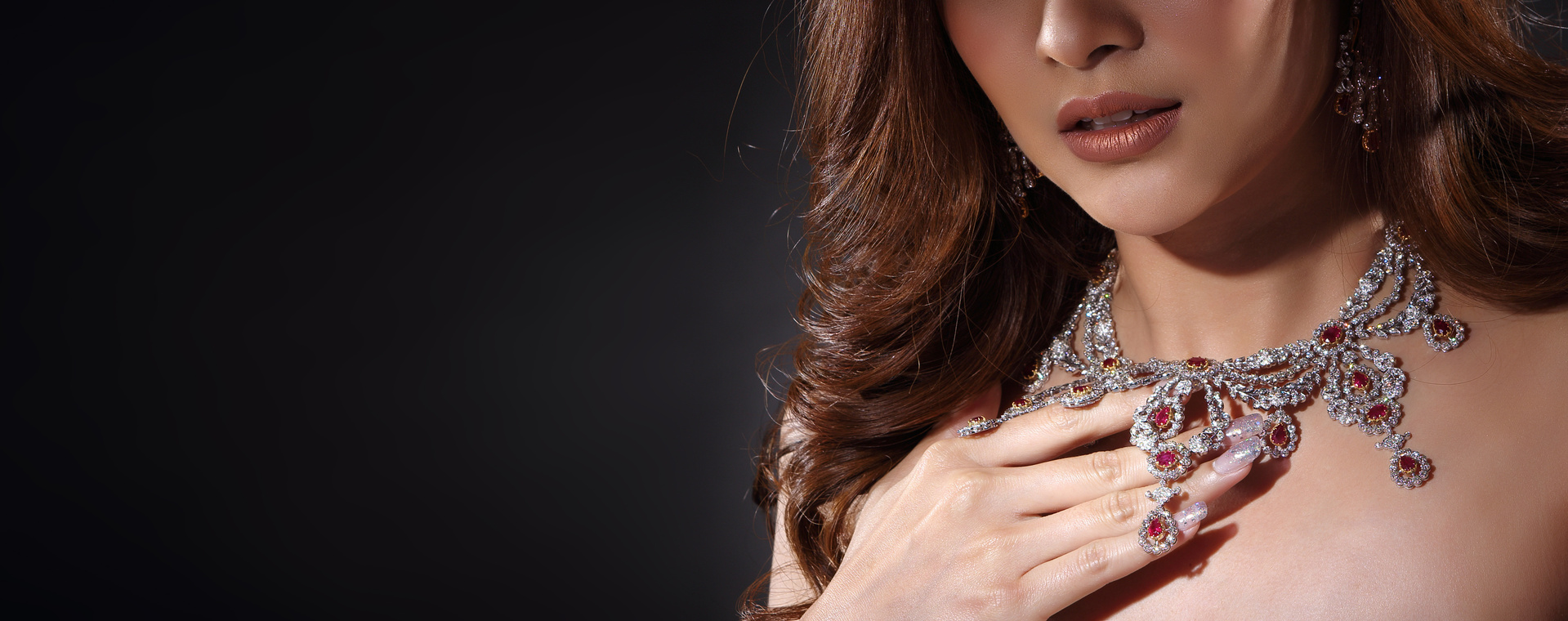
The Edwardian era followed in the early twentieth century and introduced a lighter, more refined aesthetic. Platinum became increasingly popular, allowing jewelers to create delicate settings and lace-like designs. Filigree work, diamonds, and elegant open patterns became common features during this period.
The Art Nouveau movement emerged around the turn of the century and introduced a dramatically different artistic approach. Designers drew inspiration from nature, incorporating flowing lines, flowers, insects, birds, and female figures into jewelry creations. Art Nouveau pieces often emphasized artistry and craftsmanship over the intrinsic value of gemstones alone.
By the 1920s and 1930s, Art Deco design transformed the jewelry industry. Strong geometric patterns, symmetrical layouts, and bold visual contrasts became defining characteristics. Influences from architecture, industrial progress, and international artistic movements contributed to the distinctive appearance of Art Deco jewelry.
Art Deco pieces frequently featured diamonds combined with colorful gemstones such as sapphires, rubies, emeralds, and onyx. Platinum and white gold settings became increasingly common, supporting the era's emphasis on clean lines and structured design.
Mid-century jewelry introduced yet another evolution in style. Following World War II, designers often embraced larger gemstones, sculptural forms, and innovative settings. Technological advancements and changing consumer preferences influenced jewelry production throughout this period.
Materials themselves can also provide clues regarding a piece's origin. Different eras favored specific metals, gemstone cuts, manufacturing methods, and decorative techniques. Jewelers and collectors often examine these characteristics when evaluating antique pieces.
Handcrafted details are frequently found in older jewelry. Prior to modern mass-production techniques, many pieces were created using labor-intensive methods that required significant skill and attention to detail. These craftsmanship characteristics continue to attract collectors interested in historical artistry.
Wear patterns, hallmarks, engravings, and construction methods can provide additional insight into a piece's history. Professional evaluation often involves examining these elements alongside design features associated with specific periods.
The popularity of antique jewelry extends beyond collecting. Many individuals appreciate antique pieces for their uniqueness and connection to history. Unlike contemporary jewelry manufactured in large quantities, antique items often possess characteristics that reflect a particular moment in time.
Estate jewelry markets have also contributed to growing interest in historical designs. As antique and vintage pieces change ownership through generations, new audiences gain opportunities to appreciate earlier craftsmanship and design traditions.
According to Ken Bowers, owner of KenWorks in Metairie, antique jewelry continues to serve as both wearable art and a reflection of historical design trends.
“Each era left its own signature on jewelry design,” said Bowers. “Materials, craftsmanship techniques, cultural influences, and artistic movements all contributed to the appearance of jewelry during different periods. Antique pieces often tell a story about the time in which they were created, making them interesting from both a design and historical perspective.”
Educational interest in antique jewelry has also expanded through museums, exhibitions, collector organizations, and online resources. Increased access to information has helped collectors and enthusiasts better understand the characteristics associated with different historical periods.
Industry professionals note that identifying antique jewelry often requires examining multiple factors rather than relying on a single design element. Construction methods, gemstone cuts, metal types, hallmarks, and overall styling can collectively help establish historical context.
As interest in historical craftsmanship and collectible jewelry continues, antique pieces remain valued not only for their aesthetic appeal but also for the stories they preserve. Through their designs, materials, and construction techniques, these pieces offer a tangible connection to the artistic traditions and cultural influences of generations past.
About KenWorks
KenWorks is based in Metairie, Louisiana, and specializes in jewelry services, custom jewelry work, repairs, restoration, and related craftsmanship. The company serves clients seeking professional jewelry expertise, including work involving antique, vintage, and estate jewelry pieces.
Morgan Thomas
Rhino Digital, LLC
+1 504-875-5036
email us here
Visit us on social media:
Facebook
Legal Disclaimer:
EIN Presswire provides this news content "as is" without warranty of any kind. We do not accept any responsibility or liability for the accuracy, content, images, videos, licenses, completeness, legality, or reliability of the information contained in this article. If you have any complaints or copyright issues related to this article, kindly contact the author above.
